
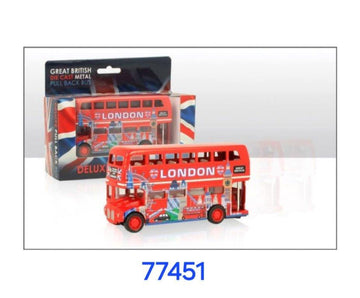
Here are some interesting facts about the iconic red London double-decker bus:
-
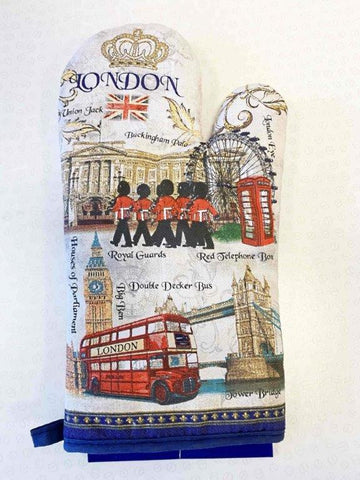
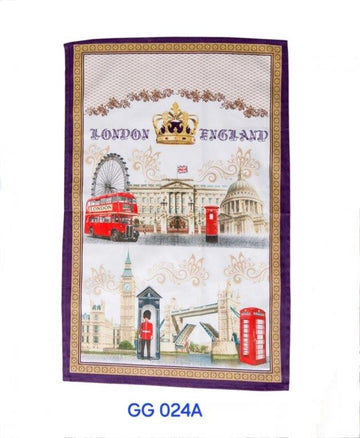
Introduced in 1956 – The famous Routemaster bus, the classic red double-decker, was introduced in 1956 and became a symbol of London.
-
Designed for Hop-On, Hop-Off Service – The original Routemaster had an open rear platform, allowing passengers to jump on and off easily, even when the bus was moving!
-
Not Always Red – Before 1907, London’s buses came in different colors to represent different routes. The red color was standardized by the London General Omnibus Company to stand out.
-
A Long-Lasting Icon – Despite being officially retired from regular service in 2005, some heritage Routemasters still run on special routes like the "Heritage Route 15."
-
Modern Double-Deckers – Today, London's double-decker buses are mostly hybrids or electric models, making them more environmentally friendly.
-
A Global Inspiration – The red double-decker bus has inspired similar designs in cities around the world, from Hong Kong to Berlin.
-
New Routemaster (Boris Bus) – In 2012, a redesigned version of the Routemaster was introduced, featuring hybrid technology and a modern look while keeping the classic red design.
-
One of the World's Longest Bus Routes – Route 25, which runs from Ilford to Oxford Circus, is one of London’s longest and busiest bus routes.
-
More Than 6,000 in Operation – London has over 6,000 double-decker buses in service today, covering more than 700 routes across the city.
-
A Pop Culture Symbol – The red double-decker has appeared in countless films, TV shows, and advertisements, making it one of the most recognizable symbols of London worldwide.